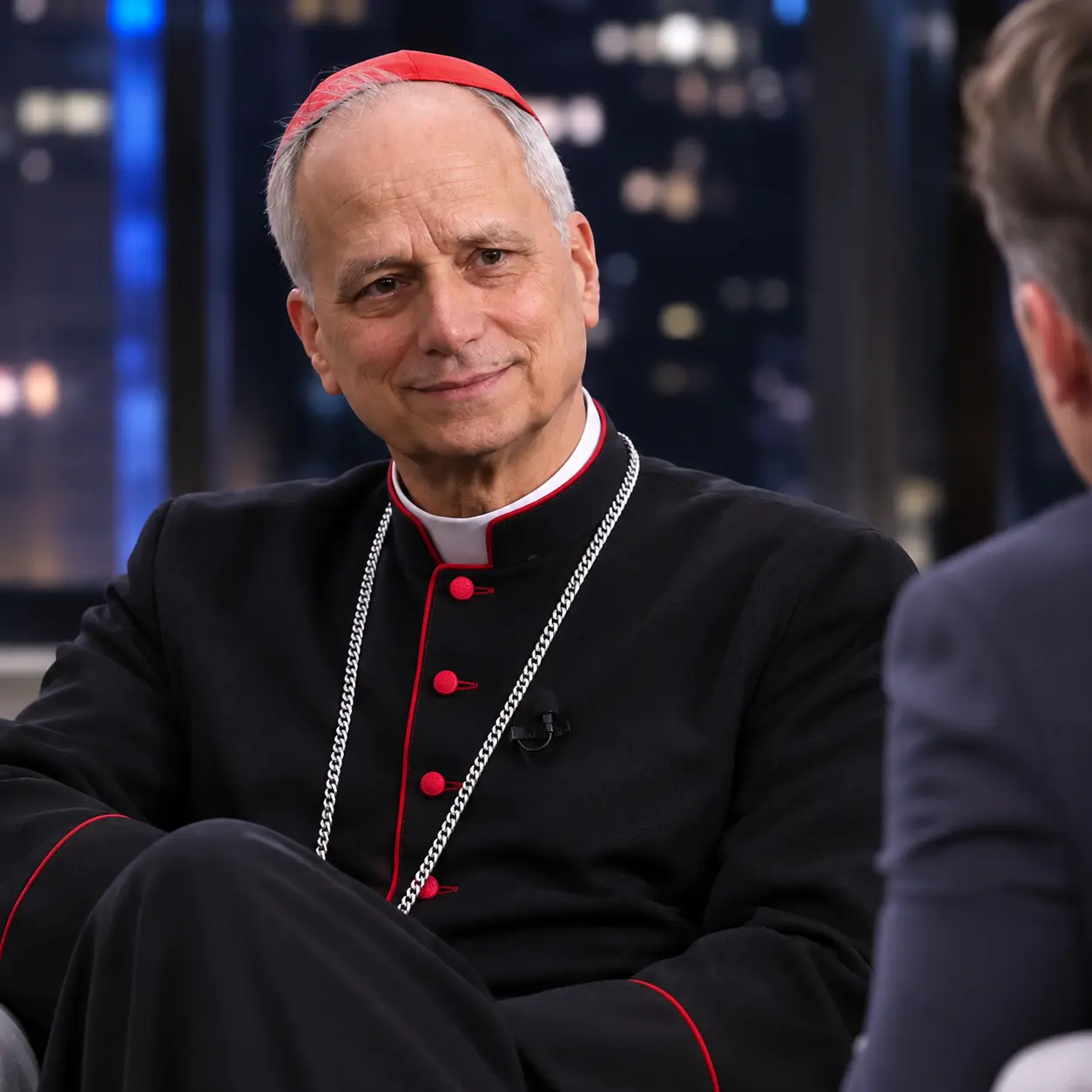
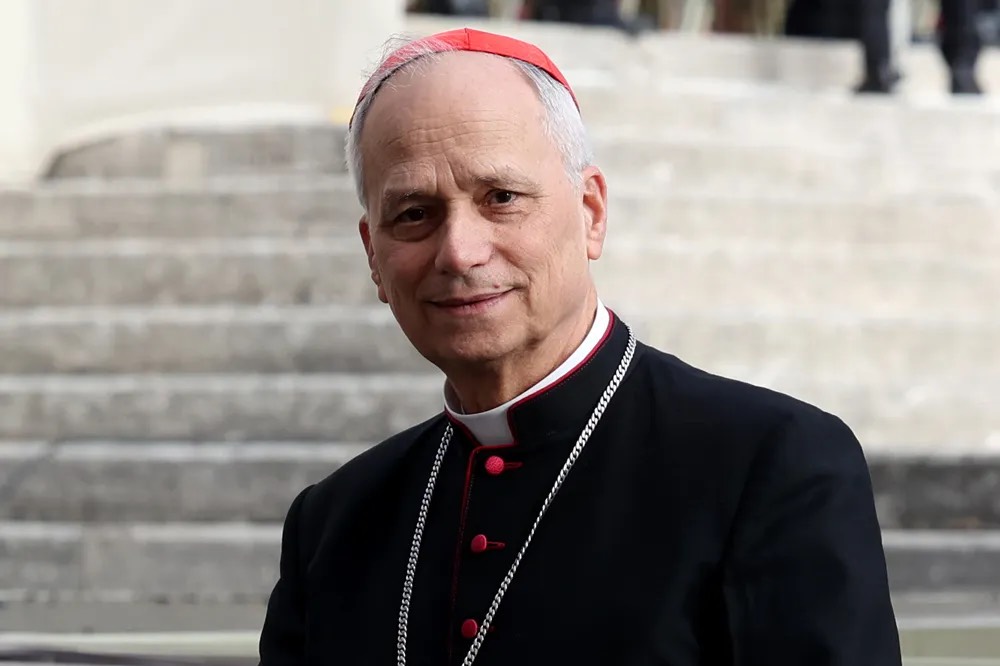
🚨💔 “JUST 20 MINUTES AGO!” — ALARMING QUESTIONS ABOUT POPE LEO XIV’S HEALTH: IS THE HOLY FATHER REALLY IN DANGER? 😱🙏
Following his recent lung cancer surgery, concerns surrounding the Pope’s health have captured worldwide attention. As he continues his demanding journey through Latin America, one question remains on everyone's mind: What is his true condition, and what has the Vatican actually revealed?
👇🔥 READ THE FULL STORY IN THE COMMENTS BELOW.
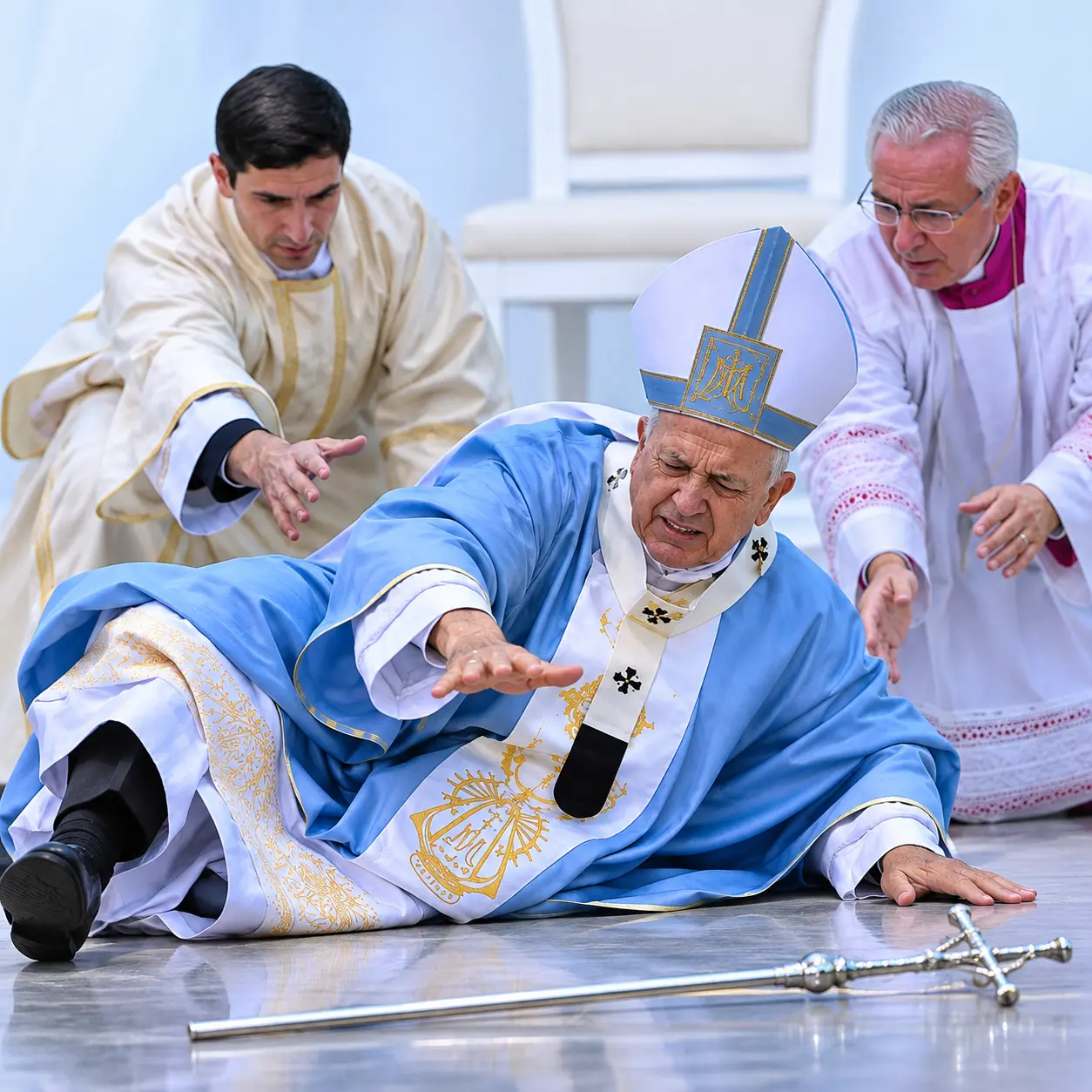
Concern about the health of Pope Leo XIV touches a deeply personal chord among Catholics worldwide. As the spiritual leader of the Roman Catholic Church, the Holy Father occupies a position of extraordinary responsibility, guiding believers across continents while representing an institution with centuries of history.
Yet behind the papal vestments and public ceremonies stands a human being whose well-being matters to those who follow his ministry.
That emotional connection helps explain why reports involving his health can attract immediate attention.
The circulating narrative suggests that Pope Leo XIV recently underwent surgery for lung cancer and continued an extensive journey through Latin America despite serious medical concerns.
However, the account provides no authenticated medical announcement, verified surgical record, or official Vatican confirmation supporting those claims.
The central question is therefore not how serious the alleged diagnosis might be, but whether reliable evidence establishes that such a diagnosis exists.
Without confirmation, it would be misleading to describe the pope as recovering from cancer surgery or facing an undisclosed medical emergency.
For Catholics seeking accurate information, that distinction is essential.
Pope Leo XIV, born Robert Francis Prevost on September 14, 1955, in Chicago, Illinois, has devoted much of his life to religious service.
His vocation led him to the Order of Saint Augustine, where he embraced traditions emphasizing humility, community, and the search for truth.
He later spent many years in Peru, developing extensive pastoral experience among communities facing economic hardship and social uncertainty.
His work brought him into contact with families confronting illness, poverty, and difficult personal circumstances.
These experiences helped shape his understanding of compassion and spiritual leadership.
For him, religious ministry involved more than formal ceremonies or theological discussion.
It required listening to people, recognizing their struggles, and encouraging practical expressions of solidarity.
That background remains relevant to conversations about health and human vulnerability.
When Robert Francis Prevost was elected pope on May 8, 2025, he became the first pontiff born in the United States.
His election marked a historic moment for the Catholic Church.
It also introduced extraordinary responsibilities.
As pope, Leo XIV leads a worldwide religious community encompassing different languages, cultures, and traditions.
His duties include meeting bishops, participating in religious celebrations, receiving diplomatic representatives, and addressing humanitarian concerns.
These responsibilities require careful preparation and sustained attention.
However, the demands of the papacy do not establish that the Holy Father is experiencing a particular medical condition.
Public observers cannot infer a cancer diagnosis from a demanding schedule, an emotional expression, or an unverified report.
Medical information requires reliable sourcing.
A diagnosis as serious as lung cancer should never be attributed to an identifiable individual without credible evidence.
The same principle applies to claims about surgery, treatment, or recovery.
Even when a medical procedure is publicly confirmed, its implications depend on information provided by qualified professionals and authorized sources.
Speculation about a person's condition can create unnecessary distress.
It may also undermine public understanding of serious illnesses.
Lung cancer is a complex medical condition with different types, stages, and treatment approaches.
Some patients undergo surgery, while others receive radiation therapy, systemic medications, or combinations of treatments.
Medical decisions depend on individual circumstances and professional assessment.
No conclusions about Pope Leo XIV's health can responsibly be drawn from these general facts.
The circulating story also refers to a demanding journey through Latin America.
This detail resonates because the region has played an important role in the pope's religious life.
His years of ministry in Peru helped shape his pastoral identity.
He developed relationships with communities whose experiences differed from those of his American birthplace.
His familiarity with Latin American religious traditions remains a meaningful part of his background.
Nevertheless, a personal connection to the region does not confirm a particular travel itinerary.
Papal journeys are significant undertakings involving coordination among Church authorities, local governments, security personnel, and organizers.
Official schedules generally identify destinations, ceremonies, and public engagements.
Without such documentation, claims about an ongoing journey should be treated cautiously.
The Holy See Press Office and Vatican News are important sources for authenticated information concerning papal activities and publicly disclosed health developments.
Readers seeking clarification should distinguish official announcements from social media speculation.
This is particularly important when reports claim that a dramatic event occurred only minutes earlier.
Time-sensitive language can create a sense of urgency.
It may encourage audiences to share information before examining its accuracy.
Yet the phrase “just 10 minutes ago” does not establish that an event occurred.
A credible report requires identifiable sources and verifiable details.
The absence of those elements should prompt caution rather than certainty.
For Catholics, concern about the pope's well-being often takes the form of prayer.
Praying for the Holy Father is a longstanding tradition within the Church.
Believers regularly ask God to grant him wisdom, strength, and guidance as he carries out his responsibilities.
Such prayers remain meaningful regardless of whether a particular medical concern has been confirmed.
They express solidarity with the individual entrusted with spiritual leadership.
They also reflect the broader Christian responsibility to care for others.
Across the world, countless people are facing genuine medical challenges.
Some are undergoing treatment for cancer.
Others are recovering from surgery or managing chronic conditions.
Many families are navigating uncertainty while supporting loved ones through difficult periods.
Their experiences deserve compassion and attention.
Serious illness can affect nearly every aspect of daily life.
Medical appointments may disrupt work and family routines.
Treatment can create physical discomfort and emotional exhaustion.
Patients may worry about their future while attempting to maintain hope.
Their relatives may experience anxiety, financial pressure, and increased caregiving responsibilities.
In these circumstances, compassionate support can make a meaningful difference.
A friend offering transportation to a medical appointment may reduce a practical burden.
A family member preparing meals can provide reassurance.
A religious community organizing assistance may help someone feel less isolated.
These gestures demonstrate how faith can become visible through everyday action.
For Pope Leo XIV, the importance of community is closely connected to his Augustinian formation.
Saint Augustine's spiritual legacy emphasizes shared responsibility and the recognition that individuals depend on one another.
No person should be expected to confront every difficulty alone.
This principle is particularly relevant to illness.
Patients deserve appropriate medical care, emotional support, and respect for their personal decisions.
Spiritual encouragement can provide comfort, but it should never replace professional treatment.
Faith and healthcare need not be understood as competing responses to suffering.
For many believers, they serve different but complementary purposes.
Medical professionals address the clinical dimensions of illness.
Families and communities provide practical and emotional assistance.
Religious traditions may offer meaning, prayer, and a sense of connection.
Together, these forms of support can help people navigate difficult circumstances.
The discussion surrounding Pope Leo XIV also highlights the importance of respecting medical privacy.
Public figures often face intense scrutiny.
Their appearances, expressions, and schedules may be examined for signs of personal difficulty.
However, a person's health cannot reliably be determined through speculation.
Even a globally recognized religious leader deserves accurate representation.
The pope's responsibilities do not eliminate his right to dignity.
Nor does public concern justify inventing private medical details.
These principles are particularly important in the digital age.
Social media allows dramatic stories to circulate across international audiences within minutes.
Photographs can be presented without context.
Older recordings may be described as recent events.
And anonymous claims may be repeated until they appear credible.
When the subject is a religious leader followed by millions, such practices can generate widespread anxiety.
Responsible communication requires a commitment to truth.
For Catholics, honesty is not merely a journalistic standard.
It is also a moral responsibility within relationships and communities.
Compassion should therefore be accompanied by careful attention to evidence.
Concern for Pope Leo XIV does not require accepting unsupported claims about cancer surgery.
Believers can pray for his well-being without assuming that he has received a particular diagnosis.
They can also extend compassion to patients whose medical challenges are known and immediate.
The Church's charitable mission provides many opportunities for such action.
Catholic institutions around the world participate in healthcare, education, and assistance to vulnerable communities.
Their work reflects the belief that human dignity must be protected, especially during periods of suffering.
Pope Leo XIV's years of service in Peru offer a meaningful example of this pastoral commitment.
His experiences among communities facing hardship helped shape his understanding of social responsibility.
That perspective remains relevant to discussions about illness, healthcare, and the importance of solidarity.
As speculation continues around the alleged surgery and reported travel, the central facts remain unresolved.
The supplied account does not establish that Pope Leo XIV underwent lung cancer surgery, is recovering from such a procedure, or is experiencing a related medical emergency.
Nor does it confirm the specific Latin American journey described in the headline.
Until credible information becomes available, these claims should remain clearly identified as unverified.
For Catholics worldwide, uncertainty need not become a source of fear.
Prayer, patience, and respect for accurate information offer a constructive response.
The Holy Father's ministry continues to inspire reflection on compassion, humility, and service.
Those values remain meaningful regardless of sensational reports.
Ultimately, the most important lesson is that concern for another person's health should be expressed responsibly.
Genuine compassion does not require dramatic speculation.
It requires respect for truth, recognition of human dignity, and a willingness to support people facing real difficulties.
For Pope Leo XIV and the millions who follow his spiritual leadership, that commitment offers a lasting foundation for hope.
And for every family confronting illness, it carries an equally important message: no one should have to face uncertainty without compassion, understanding, and care.