Beyond the Studio: Why a Question About Forgotten Students Left Dr. Dre Visibly Moved
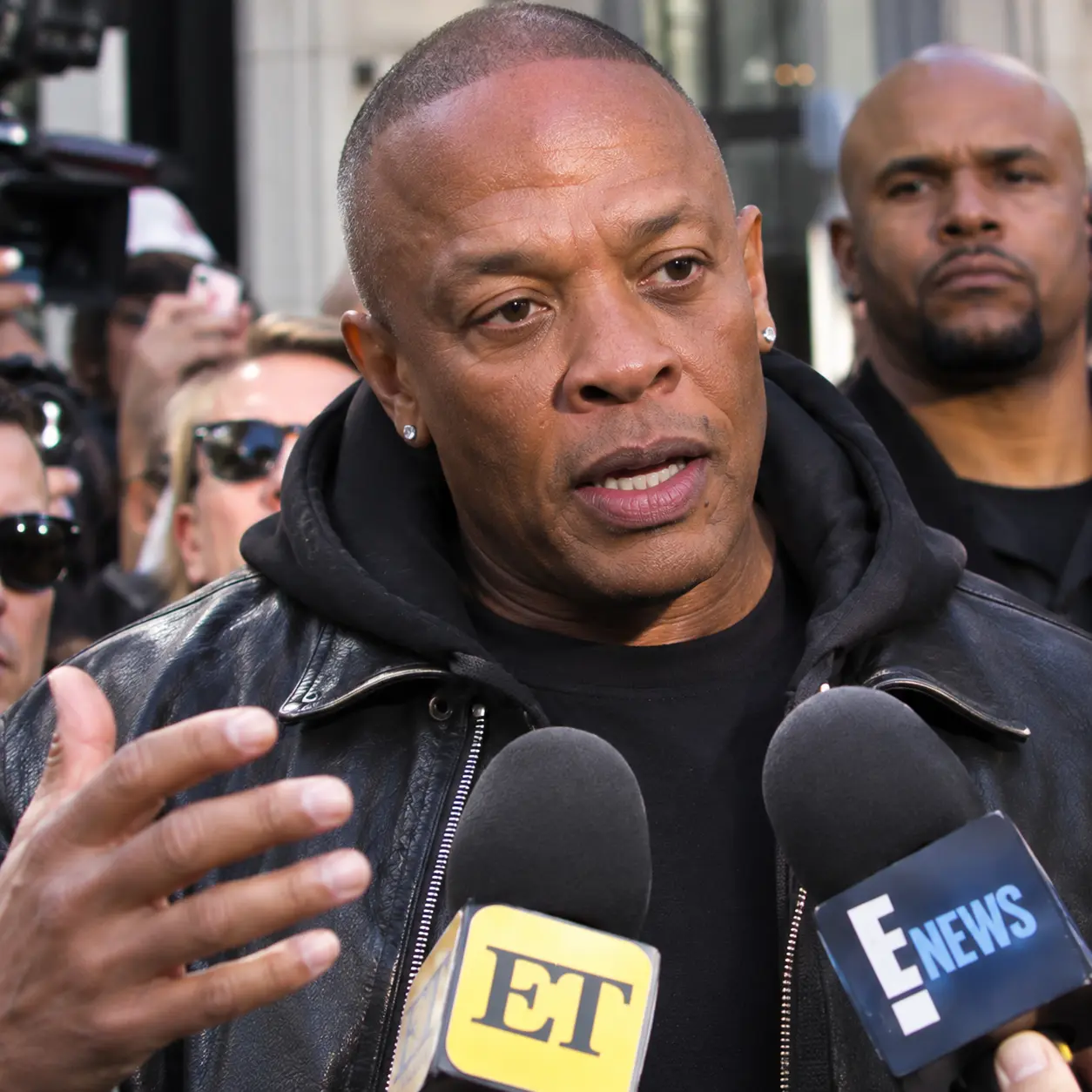
The auditorium lights in Los Angeles dimmed to a warm, intimate glow during a candid town-hall conversation on innovation, music, and educational equity. For nearly forty minutes, Dr. Dre—born Andre Young in Compton—spoke with his signature composure and dry wit: direct, sharp, and unapologetically real. Then, the moderator shifted toward the November 2026 midterm elections and asked what weighs heaviest on his mind when he looks at gifted teenagers growing up in underfunded public schools across America today. Suddenly, the hip-hop architect fell completely silent. His shoulders tightened, his eyes glistened beneath the stage lights, and when he finally leaned toward the microphone, his voice carried a heavy, unmistakable tremor.
In the months leading up to the 2026 election, few disparities cut deeper into the future of working communities than the widening gap in public school funding and hands-on career training. While political commentators traded talking points over federal budgets and education policy on cable news, millions of bright students in low-income neighborhoods confronted a stark daily reality inside aging classrooms. Outdated computers, eliminated arts and technology electives, and overcrowded study halls denied talented youth the basic tools their peers in wealthier zip codes took for granted. For teenagers trying to turn raw ability into a future, policy gridlock in Washington was never an abstract debate—it was a locked door.
Outdated equipment and shrinking budgets leave many low-income classrooms behind.News
To understand what that missed potential looks like behind closed doors, consider the daily reality of students like Devon, a 16-year-old sophomore in South Los Angeles with an extraordinary gift for sound design, coding, and mathematics. Despite earning top marks and staying up past midnight teaching himself audio software on a cracked, borrowed laptop, Devon attended a high school whose computer lab had half its workstations broken and no funding for advanced STEM or creative-tech courses. Sitting at his kitchen table every evening with headphones taped together at the hinge, Devon wondered whether talent meant anything when your neighborhood school lacked the resources to nurture it. His story mirrors millions of gifted kids held back solely by zip code.
Access to modern labs and mentorship can transform a talented student's trajectory.
That human reality sat squarely at the center of the evening’s most emotional moment. Listening quietly on stage as the moderator read a letter from a high school senior explaining how she turned down a robotics competition because her school could not afford basic parts or bus fare, Dre went completely silent for nearly ten seconds. Remembering how close his own life came to being derailed before music and mentorship gave him a pathway out of Compton, he exhaled slowly before answering in a hushed, choked voice. "Genius is distributed equally in every neighborhood in this country—opportunity is not," he said softly, his voice cracking slightly on the final words. "When we starve low-income schools of technology and teachers, we're burying brilliant minds before they ever get a chance to breathe."
Following the 2026 midterm elections, the shifting balance of power in Washington has sparked cautious hope that targeted public school investments, STEM and creative-technology grants, and equitable district funding could finally return to the legislative forefront. With incoming congressional leadership signaling renewed bipartisan interest in modernizing Title I school infrastructure and expanding career-connected learning in underserved districts, educators and community leaders see a meaningful opening that felt stalled just months ago. Still, seasoned observers emphasize the clear divide between post-election optimism and real transformation inside neighborhood classrooms. Committee hearings and budget proposals are only beginning, and concrete funding bills still face tough negotiations before a single school lab receives new equipment. Hope is stirring again—but real investment remains a promise waiting to be kept.
Educators and families are watching to see if the new Congress invests in public schools.
For Dre, true leadership is measured not by campaign promises or partisan victories, but by the courage to invest directly in young people who have been overlooked for generations. Through his landmark philanthropic commitments—including founding the USC Iovine and Young Academy and launching the Iovine and Young Center high school in South Los Angeles—he has demonstrated what happens when underserved students are given real tools and respect. Reflecting on the duty resting on newly elected officials, he offered a clear, resonant reminder from the stage: "Leadership isn't about applauding a few kids who beat impossible odds—it's about fixing the schools so millions of talented kids don't have to beat impossible odds in the first place."
Millions of talented students are waiting to see if promises of educational equity become reality.
As the event wrapped up and audience members filed quietly out into the crisp Los Angeles evening, the emotional weight of Dr. Dre’s words lingered long after the stage lights faded. Somewhere across South Los Angeles—and in quiet bedrooms from Detroit to Mississippi—a gifted teenager was still hunched over an aging laptop late at night, refusing to give up on a dream bigger than their zip code. A new Congress has been chosen, carrying fresh promises of educational investment and equal opportunity. Yet the question hanging over Washington remains simple and urgent: will this political shift finally deliver real resources to the young minds still waiting for their shot?