Beyond the Spotlight: Why a Question About Displaced Children Left Angelina Jolie Visibly Moved
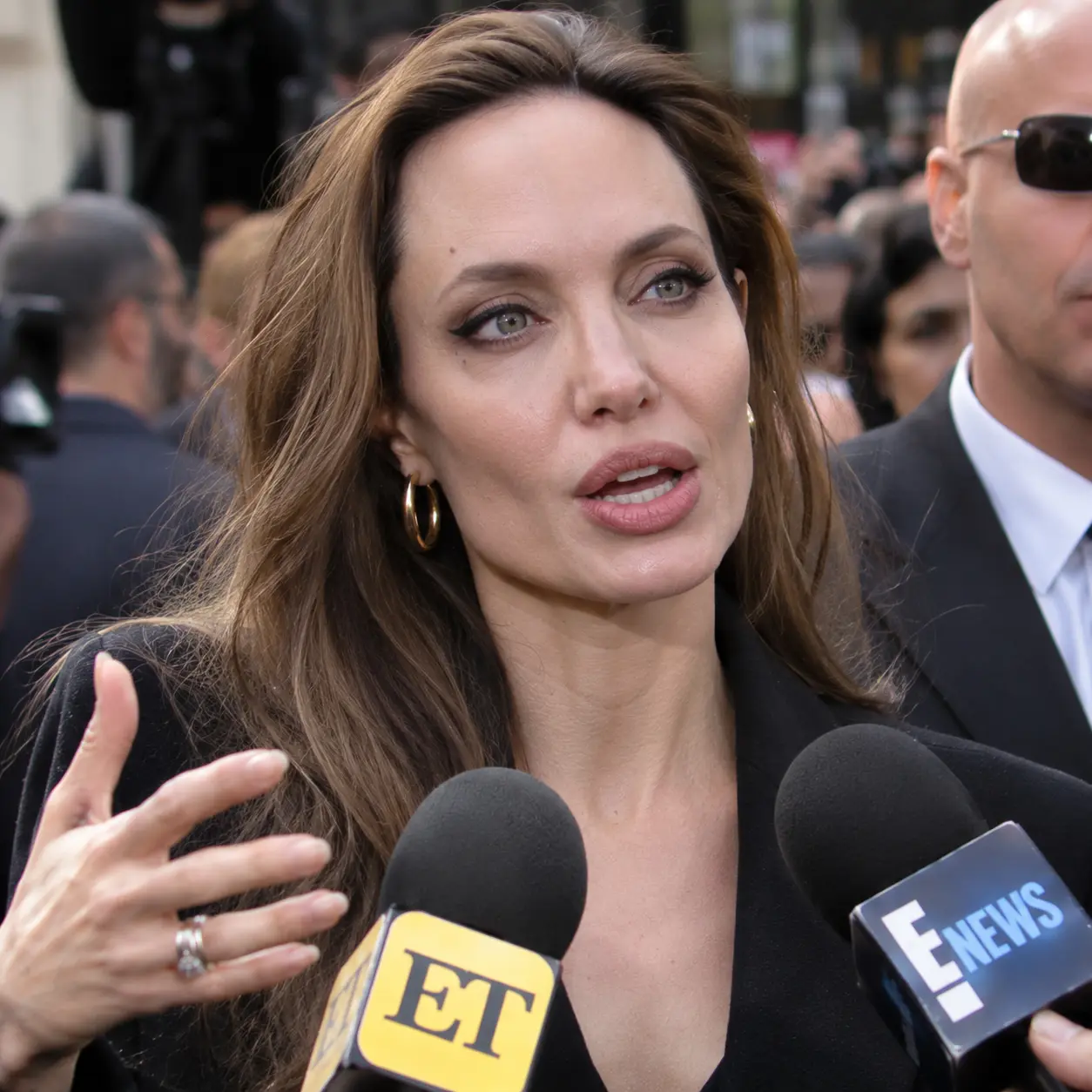
The auditorium lights in New York dimmed to a warm, intimate glow during a candid town-hall conversation on global displacement, motherhood, and human dignity. For nearly forty minutes, Angelina Jolie spoke with her familiar calm precision—articulate, grounded, and deeply informed. Then, the moderator turned the discussion toward the November 2026 midterm elections and asked what weighs heaviest on her heart when she looks at asylum-seeking families and uprooted children waiting for protection today. Suddenly, the Academy Award–winning actress and longtime humanitarian fell completely silent. Her posture softened, her eyes glistened beneath the stage lights, and when she finally leaned toward the microphone, her voice trembled with unmistakable emotion.
In the months leading up to the 2026 election, few policy debates carried higher human stakes than tightening asylum restrictions, stalled child-protection pathways, and dwindling humanitarian aid for displaced migrants. While political commentators traded talking points over border statistics and national security frameworks on cable news, millions of uprooted families faced an agonizing reality along transit routes and overcrowded shelters. Prolonged asylum backlogs, sudden eligibility cutoffs, and inadequate child-welfare safeguards left vulnerable mothers and young children stranded in legal limbo without shelter, schooling, or medical care. For families fleeing violence and persecution, legislative gridlock in Washington was never an abstract partisan battle—it was the thin line between safety and peril.
Millions of displaced families are forced to flee home with only what they can carry.
To understand what those policies mean behind closed doors, consider the quiet ordeal of households like Sofia and her seven-year-old son, Mateo, who fled extortion and neighborhood violence in Central America with a single backpack between them. After months of exhausting travel and uncertain shelter stays, they arrived seeking legal asylum, only to find themselves trapped in a labyrinth of delayed hearings and restricted support services. Sitting on a thin cot inside a crowded temporary shelter late at night, Sofia quietly wrapped her jacket around Mateo to keep him warm while hiding her own tears whenever he asked when they would finally have a real bed and a school desk again. Her story mirrors millions of parents sacrificing everything simply to keep their children alive.
Across more than two decades of field work, Angelina Jolie has centered the voices of uprooted children.
That human reality sat squarely at the center of the evening’s most emotional moment. Listening quietly on stage as the moderator read a letter from an eight-year-old girl describing how she carried her favorite battered storybook across three countries because it was the only piece of home she had left, Jolie went completely silent for nearly ten seconds. Having spent more than twenty years sitting beside displaced mothers and children from Syria to Central America, she closed her eyes briefly before answering in a hushed, choked voice. "No parent ever packs up their entire life and walks into the unknown with a child in their arms unless staying behind means losing everything," she said softly, her voice cracking slightly on the final words. "When we turn away from displaced children, we aren't defending order—we're abandoning our own humanity."
Following the 2026 midterm elections, the shifting balance of power in Washington has sparked cautious hope that a more humane, principled approach to asylum processing, child protection, and migrant support could finally return to the legislative table. With incoming congressional leadership signaling renewed bipartisan interest in clearing asylum backlogs, safeguarding unaccompanied and accompanied minors, and restoring humanitarian assistance partnerships, human-rights advocates see a vital opening after months of paralysis. Still, seasoned observers emphasize the clear boundary between post-election optimism and real protection on the ground. Committee hearings and reform proposals are only beginning, and concrete legislation still faces tough negotiations before a single stranded family receives timely legal protection or safe housing. Hope is stirring again—but fulfilling humanitarian responsibility remains work waiting to be done.
Humanitarian advocates are watching to see if the new Congress upholds child-protection commitments.
For Jolie, true leadership is measured not by harsh slogans or political expediency, but by empathy, moral courage, and upholding the fundamental duty to protect the vulnerable. Throughout more than two decades of global humanitarian advocacy—and through her ongoing work supporting refugee youth and community-led relief—she has consistently underscored that human rights are not optional when politics grow inconvenient. Reflecting on the responsibility resting on newly elected officials, she offered a clear, resonant reminder from the stage: "Real leadership isn't about closing doors on frightened children to score political points—it's about having the courage to uphold humanitarian responsibility and treat every displaced family with the dignity we would pray for if we were in their shoes."
Displaced mothers and children are waiting to see if promises of humanitarian care become reality.
As the event wrapped up and audience members filed quietly out into the crisp New York night, the emotional weight of Angelina Jolie’s words lingered long after the stage lights faded. Somewhere in a dimly lit shelter—and along quiet border towns from Texas to Arizona—a mother was still tucking a thin blanket around her sleeping child, praying tomorrow would bring safety instead of fear. A new Congress has been chosen, carrying fresh promises of steadier governance and renewed moral responsibility. Yet the question hanging over Washington remains simple and urgent: will this political shift finally deliver humane protection to the displaced families and children still waiting for refuge?